
主な参照資料
要点
この種類の WPI 評価で通常確認されること
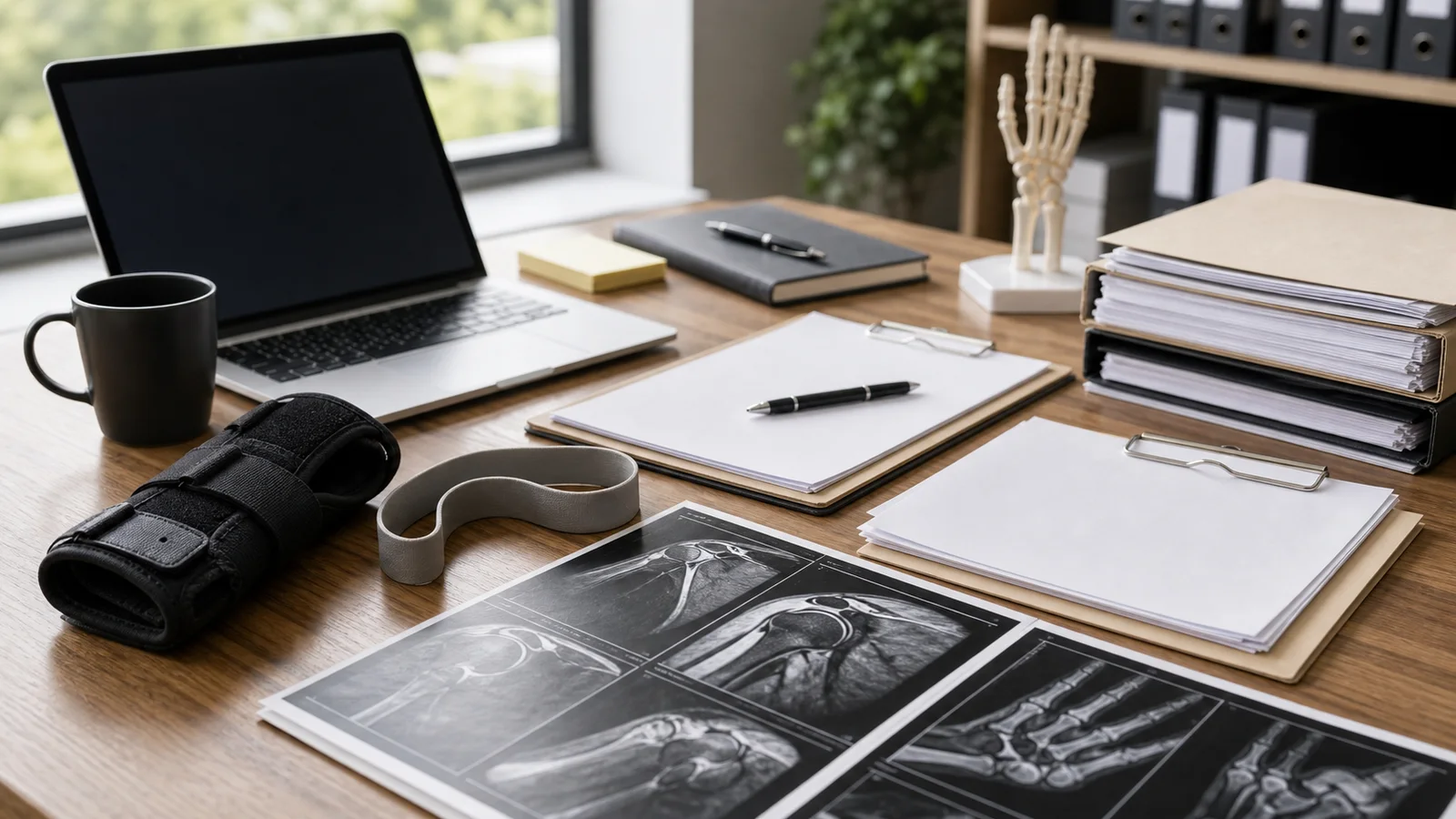
肩・腕・手 の永久障害評価は、診断名や画像所見だけで決まるものではありません。accepted injury、身体システム、maximum medical improvement(MMI)、NSW Guidelines の方法、診察所見、治療・手術記録、既往傷害や変性の控除理由を確認します。
要点
Accepted injury
評価は、保険者が認めた、または争っている傷害範囲から始まります。傷害の記載が狭すぎると、方法と証拠がずれることがあります。
要点
医学的方法
評価医は NSW Guidelines と関連する AMA5 章に従い、MMI、診察所見、既往控除、身体システムを扱う必要があります。
要点
請求への影響
WPI 割合は Section 66、medical expenses、weekly payments、work injury damages の方針に影響し得るため、数字だけでは判断しません。
評価の流れがどのように組み立てられるか
肩・腕・手 の WPI 報告は、割合だけでなく理由付けを示す必要があります。割合に依拠する前に通常確認する流れです。
Identify the exact upper-limb part first: shoulder, elbow, wrist, hand, thumb, finger, tendon, peripheral nerve or vascular disorder. The AMA5 upper-extremity chapter uses different conversion pathways for different regions.
Confirm whether impairment is first expressed as digit, hand, upper extremity or whole person impairment(WPI). The 報告書 should show the conversion pathway rather than jump straight to WPI.
Check whether the method is based on range of motion, nerve deficit, 切断 value, diagnosis-based disorder, arthritis, tendon 傷害, strength or another permitted pathway.
Where movement is measured, the 報告書 should explain measurement consistency and whether pain, guarding or inconsistent effort affected the findings.
If several impairments exist in the same limb, the 報告書 should explain whether they are added, combined or limited by an 切断 maximum.
NSW Guidelines と AMA5 の方法上の要点
上肢 assessment uses AMA5 Chapter 16 with NSW modifications. The 報告書 should identify whether it is rating thumb, fingers, hand, wrist, elbow, shoulder, tendon, nerve or vascular disorder.
Upper-limb impairment is often calculated regionally first and converted to WPI. A sound 報告書 should show each conversion step.
Multiple impairments for the same joint or limb are not always handled the same way. Some values are added, some are combined, and the final value cannot exceed the relevant 切断 value.
Range of motion should be measured carefully and consistently. Inconsistent movement findings should not be used without explanation.
Peripheral nerve impairment should identify the nerve, sensory deficit, motor deficit and whether the same loss has already been captured by another method.
Carpal tunnel, digital nerve lesions, tendon rupture, epicondylitis, impingement and overuse conditions need the correct specific pathway; a diagnosis label alone is not enough.
Strength loss should be used cautiously and only where the Guides permit it; it should not be a back-door rating for pain, effort or a restriction already captured elsewhere.
The 報告書 should distinguish WPI from practical hand use at work. Grip, overhead work, fine motor use and tool handling may be highly important for capacity even where the WPI number is modest.
WPI 割合を左右し得る要素
最終的な割合は、評価方法、客観所見、手術結果、既往控除、複数障害の組合せによって変わり得ます。
- Measured active range of motion and whether repeated measurements are consistent.
- Sensory and motor nerve deficit findings, including nerve conduction studies where relevant.
- 手術 outcome, residual stiffness, recurrent instability, tendon rupture, hardware and post-operative therapy records.
- Whether the impairment is in the dominant hand may matter functionally, although dominance is not a general automatic WPI uplift under Chapter 16.
- Whether strength loss is legitimately rated; AMA5 treats strength as a limited pathway and it should not double-count movement, pain or deformity already captured elsewhere.
評価医が通常確認すること
- which body part is accepted: shoulder, elbow, wrist, hand, fingers, tendon or nerve
- whether 手術, imaging and therapy notes were available
- range of motion, strength, sensation and functional use of the arm or hand
- dominant-hand impact and whether the worker's actual job duties were recorded
- whether overuse or repetitive work has been treated as work-related aggravation or dismissed as ordinary degeneration
役立つ可能性のある証拠
- ultrasound, MRI, X-ray, nerve conduction study or surgical records
- orthopaedic, hand surgeon, neurologist, physiotherapist or hand therapist 報告書s
- photos or duty records showing tools, gripping, lifting, keyboarding or repetitive tasks
- certificates of capacity recording lifting, reaching, gripping, overhead work and fine-motor restrictions
- failed return-to-work records where duties exceeded medical restrictions
保険者または評価報告でよく問題になる点
- the 報告書 treats a tear as degenerative without dealing with work contribution
- dominant-hand restriction is understated
- nerve symptoms are recorded but not analysed
- the assessor did not consider 手術 or post-operative stiffness
- capacity for suitable duties is assumed from a limited examination snapshot
評価報告を受け取った後に確認すること
WPI 報告を確認するときの質問
報告で注意すべき点
- The 報告書 gives a WPI figure without showing digit, hand, upper extremity or whole person conversions.
- Dominant-hand disability is ignored in the functional history even though the worker uses tools, typing, gripping or fine motor tasks.
- A nerve complaint is recorded but the 報告書 does not identify sensory/motor findings or the nerve pathway.
- Overuse is dismissed as ordinary degeneration without analysing actual repetition, force, posture or work exposure.
方法と依拠前の確認
- Was the correct joint, tendon or nerve pathway assessed?
- Were movement and functional restrictions measured consistently?
- Did the 報告書 consider dominant-hand impact?
- Was 手術 or therapy outcome included?
- Does the assessment match the actual work duties?
- Surgical improvement does not always mean normal function, but post-operative stiffness still needs objective support.
- Overuse 請求s often need work-duty 証拠, not only a diagnosis label.
- Nerve conduction results, hand therapy notes and operative findings may change the impairment pathway.
Section 66、weekly payments、work injury damages との関係
SIRA は、身体的傷害について permanent impairment compensation は通常 11% 以上、primary psychological injury については通常 15% 以上が必要になると説明しています。secondary psychological injury は NSW では異なる扱いになります。
これらは支払いの保証ではありません。実際の影響は accepted injury、医学証拠、MMI、評価方法、保険者がその割合をどのように使っているかによります。WPI は Section 66 lump sum compensation、medical expenses の期間、weekly payments の方針、work injury damages の閾値助言に関係することがあります。
Guideline notes
- NSW upper extremity assessment modifies AMA5 Chapter 16.
- The maximum 上肢 rating cannot exceed the relevant 切断 value.
よくある質問
肩・腕・手 の WPI は自分で計算できますか?
AMA5 やオンライン表を自分で当てはめるべきではありません。WPI は訓練を受けた評価医が NSW Guidelines、accepted injury、診察所見、記録に基づいて評価します。報告が正しい方法と資料を使っているかは確認できます。
肩・腕・手 の評価で MMI が重要なのはなぜですか?
MMI は、永久的影響を評価できる程度に状態が安定していることを意味します。治療、手術、リハビリで状態が大きく変わる可能性がある場合、早すぎる評価は信頼性に問題が出ます。
保険者の報告が低すぎると思う場合は?
報告書と評価医に送られた資料を確認します。accepted injury、身体システム、画像、手術、治療、就労制限、控除理由を照合してから、争う必要があるか、追加証拠が必要かを検討します。
肩・腕・手 は work injury damages に関係しますか?
関係する可能性があります。WPI は閾値や方針に影響し得ますが、work injury damages では negligence、past economic loss、future economic loss、証拠の一貫性を別に検討する必要があります。
一般情報
この情報は一般的なもので、法律助言ではありません。WPI 割合、lump sum offer、保険者の決定に依拠する前に、自分の事情について助言を受けてください。
Reviewed by NSW Work Injury Claims - a branch of Stephen Young Lawyers.
関連する傷害・WPI ページ
WPI 評価を確認したいですか?
割合が accepted injury、治療歴、画像、手術、職務内容、現在の制限と合わない場合、保険者の立場を受け入れる前に報告を確認してください。