이 페이지의 내용
빠른 설명
일부 NSW 산재보상 청구에서 surveillance가 사용될 수 있지만, 의학 및 법적 증거를 우회하는 지름길로 취급되어서는 안 됩니다.
SIRA workers compensation standards는 factual investigations와 surveillance를 별도로 다룹니다. 공개 자료는 factual investigations가 interviews, inspections, external checks 등을 포함할 수 있고 investigations가 worker trust에 영향을 줄 수 있으므로 신중히 사용되어야 함을 인정합니다. surveillance가 보상 감액, 중단 또는 분쟁에 쓰인다면 근로자는 decision, evidence relied on 및 reasons를 서면으로 요구해야 합니다.
이 페이지는 일반 정보이며 법률 조언이 아닙니다. NSW workers compensation claim에서 surveillance, social media material 또는 factual investigation이 언급된 후의 practical evidence steps를 설명합니다. insurer가 liability decision, work capacity decision, treatment decision 또는 formal dispute notice 중 무엇을 하는지에 따라 규칙과 기한이 다를 수 있습니다.
workers compensation claim에서 surveillance란 무엇인가요?
Surveillance는 보통 insurer가 worker의 활동에 대한 observations, photographs, video, online material 또는 investigator notes를 확보하는 것을 말합니다. factual investigation은 더 넓어서 worker, employer 또는 witnesses와의 interviews, site inspection, injury 발생 방식이나 worker capacity에 관한 다른 enquiries를 포함할 수 있습니다.
짧은 activity clip만으로 worker에게 full work capacity가 있다고 자동으로 증명되는 것은 아닙니다. 핵심 질문은 그 material이 claimed restriction, certificate of capacity, treatment request 또는 worker의 injury account와 공정하게 모순되는지입니다. pain behaviour, medication, pacing, fluctuating symptoms 및 activity 후 어떤 일이 있었는지까지 포함한 전체 context가 필요합니다.
insurer가 언제 surveillance 또는 factual investigation을 사용할 수 있나요?
injury circumstances, capacity for work, suitable employment, treatment need, domestic assistance 또는 medical reports와 observed activity 사이에 factual dispute가 있을 때 insurer는 이런 자료를 사용할 수 있습니다.
그렇다고 모든 investigation이 justified, fair 또는 complete라는 뜻은 아닙니다. 근로자는 broad denial이 아니라 precise evidence로 대응해야 한다는 뜻입니다.
| Insurer argument | Evidence to check |
|---|---|
| The worker can do more than certified | activity를 actual restrictions, duration, recovery time, medication 및 normal job demands와 비교합니다. |
| Suitable duties are available | duties를 certificates, pre-injury tasks, commute, hours, supervision, psychosocial risks 및 safety controls와 비교합니다. |
| Treatment is no longer reasonably necessary | treating provider에게 goals, objective findings, flare-up pattern 및 해당 activity가 treatment need를 바꾸는지 설명하게 합니다. |
| The worker's account is unreliable | real inconsistencies와 missing context, translation issues, memory gaps, one-off activity 또는 gradual recovery를 구분합니다. |
대응 전 수집할 증거
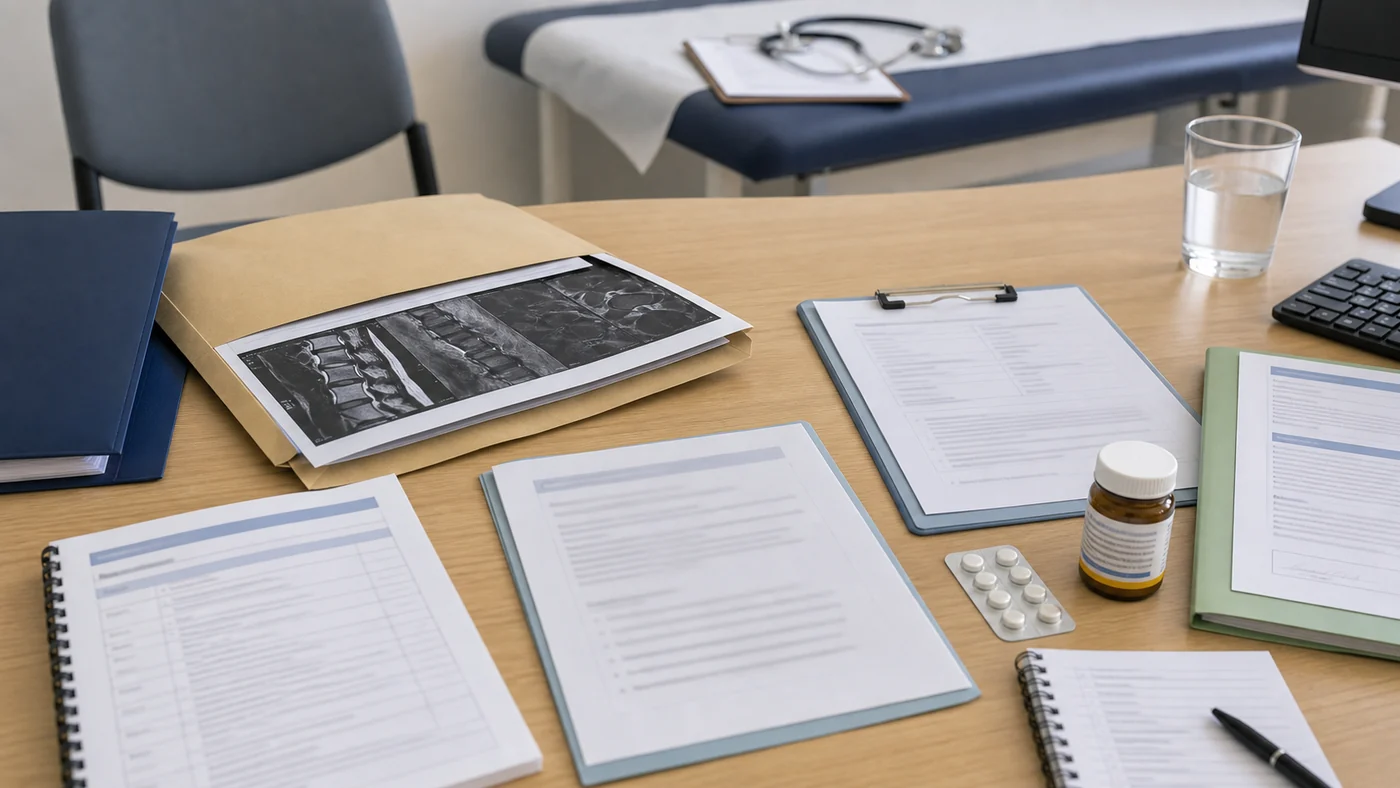
insurer가 무엇을 갖고 있는지 추측하지 마십시오. relied on material과 그것이 뒷받침한다는 precise decision을 확인하도록 요구하십시오. 그런 다음 actual allegation에 맞춰 medical and factual evidence를 정리합니다.
footage에 실제 activity가 나온다면 보통 필요한 것은 denial이 아니라 context입니다. 얼마나 오래 지속되었는지, medical advice 범위 내였는지, flare-up이 있었는지, 도움이 필요했는지, paid work와 정말 비교 가능한지 설명해야 합니다.
- current certificates of capacity: hours, duties, lifting, sitting, standing, travel, cognitive 또는 psychological restrictions 포함.
- treating doctor 및 allied health notes: symptoms가 왜 fluctuate하는지, 어떤 activities가 safe, unsafe, paced 또는 therapeutic인지 설명.
- good days, bad days, medication effects, activity 후 flare-ups, rest breaks 및 home help에 관한 짧은 diary.
- pre-injury duties 및 suitable duties proposal: 짧은 footage가 잘못된 job demands와 비교되지 않도록 합니다.
- surveillance material에 의존하는 insurer letter, work capacity decision, section 78 notice, IME report 또는 factual investigation report.
surveillance로 payments가 감액 또는 중단되는 경우
Surveillance 자체를 complete work capacity assessment로 취급해서는 안 됩니다. weekly payments가 감액 또는 중단되면 insurer가 사용한 legal pathway를 확인해야 합니다. work capacity decision에는 별도의 review pathway와 deadlines가 있습니다. liability dispute 또는 treatment refusal은 다른 reasons, notices 및 evidence steps를 사용할 수 있습니다.
written reasons, effective date, evidence list 및 insurer가 IME, vocational assessment, employer suitable duties proposal 또는 treatment notes의 일부만에 의존했는지 확인합니다. work capacity review가 필요하다면 updated treating evidence와 observed activity가 sustainable work capacity와 일치하지 않는 이유에 대한 명확한 설명이 보통 필요합니다.
social media와 일상 활동
Social media는 video surveillance와 같은 문제를 만들 수 있습니다. 한 장의 photo, post 또는 짧은 clip이 pain, fatigue 또는 recovery period 없이 해석될 수 있습니다. 근로자는 evidence를 없애거나 misleading statements를 해서는 안 됩니다. 더 안전한 방법은 claim communication을 정확하고 일관되게 유지하고, 과장을 피하며, public posts가 disputed claim에서 검토될 수 있다고 가정하는 것입니다.
오래된 social media가 context 없이 사용되면 date, location, activity, privacy setting, injury 전후 여부, current activity가 아니라 repost인지 기록합니다. response를 보내기 전 그 context를 treating doctor 또는 lawyer에게 전달하십시오.
실무상 다음 단계
- insurer에게 relied on surveillance, factual investigation 또는 online material을 특정하라고 요청합니다.
- 그 자료가 어떤 decision을 뒷받침하는지 묻습니다: liability, weekly payments, treatment, suitable duties, domestic assistance 또는 다른 issue.
- diagnosis만이 아니라 function, restrictions, flare-ups 및 sustainable capacity를 다루는 updated treating evidence를 받습니다.
- response는 factual하게 작성합니다. 실제 activity를 축소하지 말고 duration, symptoms, supports 및 aftermath를 설명합니다.
- 기다리기 전에 deadlines를 확인합니다. 특히 work capacity decision, section 78 notice 또는 PIC dispute step이 관련될 때 그렇습니다.
언제 신속히 조언을 받아야 하나요?
surveillance가 weekly payments 중단, dishonesty 주장, treatment refusal, WPI challenge 또는 treating doctor가 cleared하지 않은 duties로 압박하는 데 사용된다면 신속히 조언을 받으십시오. response는 abstract한 surveillance 논쟁이 아니라 exact decision과 deadline에 맞아야 합니다.
Surveillance issue 도움이 필요하신가요?
decision, evidence relied on 및 가장 안전한 response pathway를 확인합니다.
surveillance, social media 또는 factual investigation이 weekly payments, treatment, suitable duties 또는 credibility를 문제 삼는 데 사용된다면 대응 전에 decision과 evidence를 정리하십시오.