
Workers compensation case note
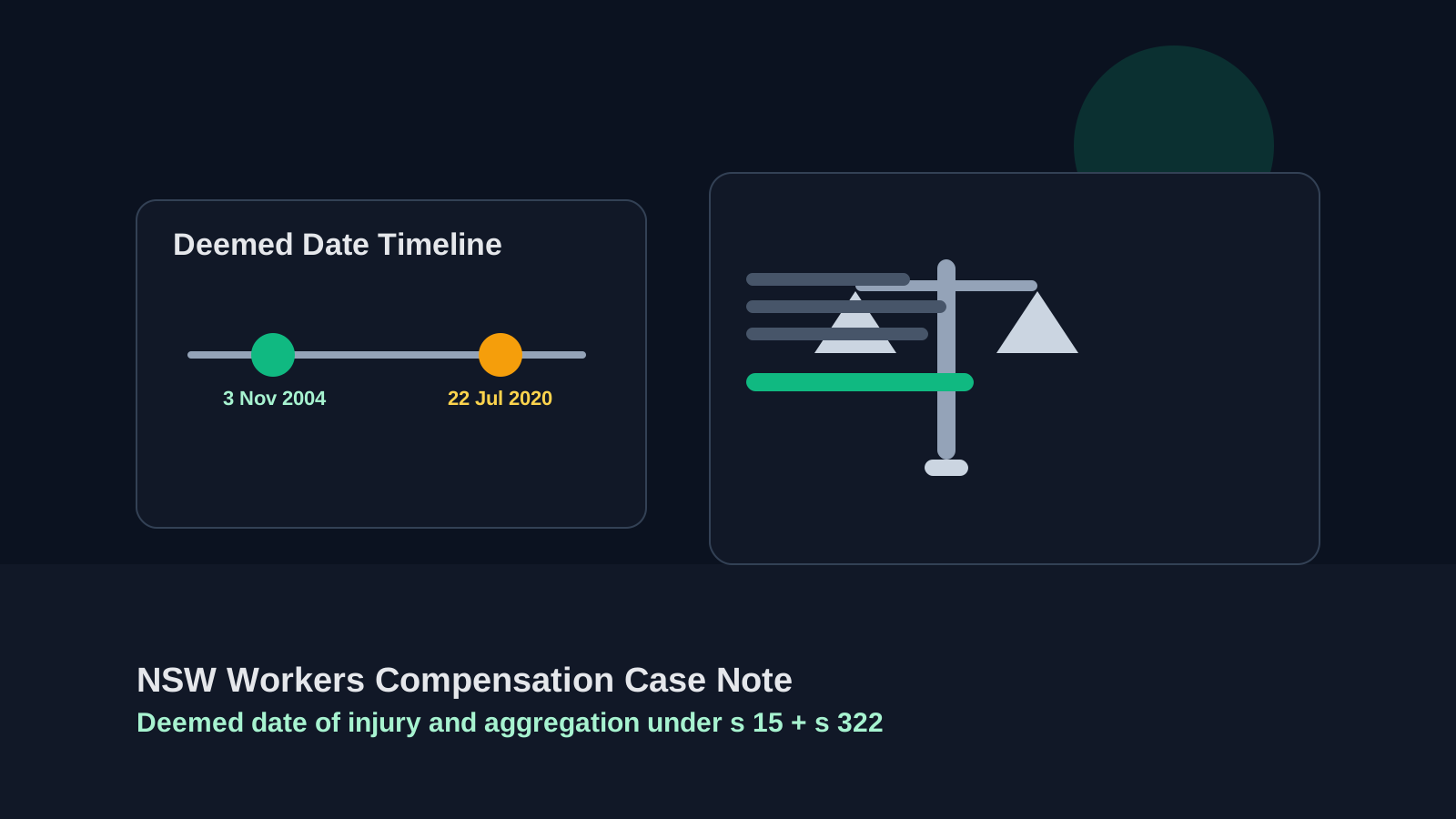
Shlimon v Steric [2025] NSWPICPD 70: deemed date of injury in disease claims
This appeal decision is directly relevant to disease-style claims where there are multiple periods of worsening injury and dispute about which deemed date should drive Section 66 valuation.
General information only. This case note is not legal advice.
What happened?
In Shlimon v Steric Pty Ltd [2025] NSWPICPD 70, the Presidential appeal focused on a narrow but critical issue: which deemed date of injury should be used to calculate Section 66 lump sum compensation where there was an earlier disease injury period and a later worsening period.
Why the case matters
For claimants with long employment histories and progressive symptoms, date-of-injury arguments can change compensation calculation framing. This decision shows how section 15 disease deeming and section 322 aggregation principles can interact, including where later impairments are treated as materially connected to earlier injury pathways.
What the Presidential Member focused on
- The proper legal framework for deemed date under section 15(1) for disease injury.
- Whether aggregation/material contribution analysis under section 322 and Ozcan principles was correctly applied.
- Whether the Member’s orders needed correction (including a respiratory wording amendment).
- Whether the monetary calculation reference point should remain anchored to the earlier date.
Plain-English takeaway
In progressive injury claims, “deemed date” is not a technical side issue — it can shape outcome value and strategy. If your claim has earlier and later injury phases, the legal framing of section 15 + section 322 should be settled early, before medical and valuation steps harden.
Frequently asked questions
Can I just pick the later date if symptoms got worse over time?
Not automatically. The legal test may connect later impairments back to an earlier injury pathway depending on evidence and statutory framework.
Why does this matter before medical reassessment?
Because date-of-injury framing can affect downstream assessment and compensation calculation methodology.
Decision source
Read the full decision: Shlimon v Steric Pty Ltd [2025] NSWPICPD 70.
Related pages
Need help with a deemed-date or lump sum strategy call?
If date-of-injury framing is affecting your payout pathway, get the strategy locked before the next procedural step.